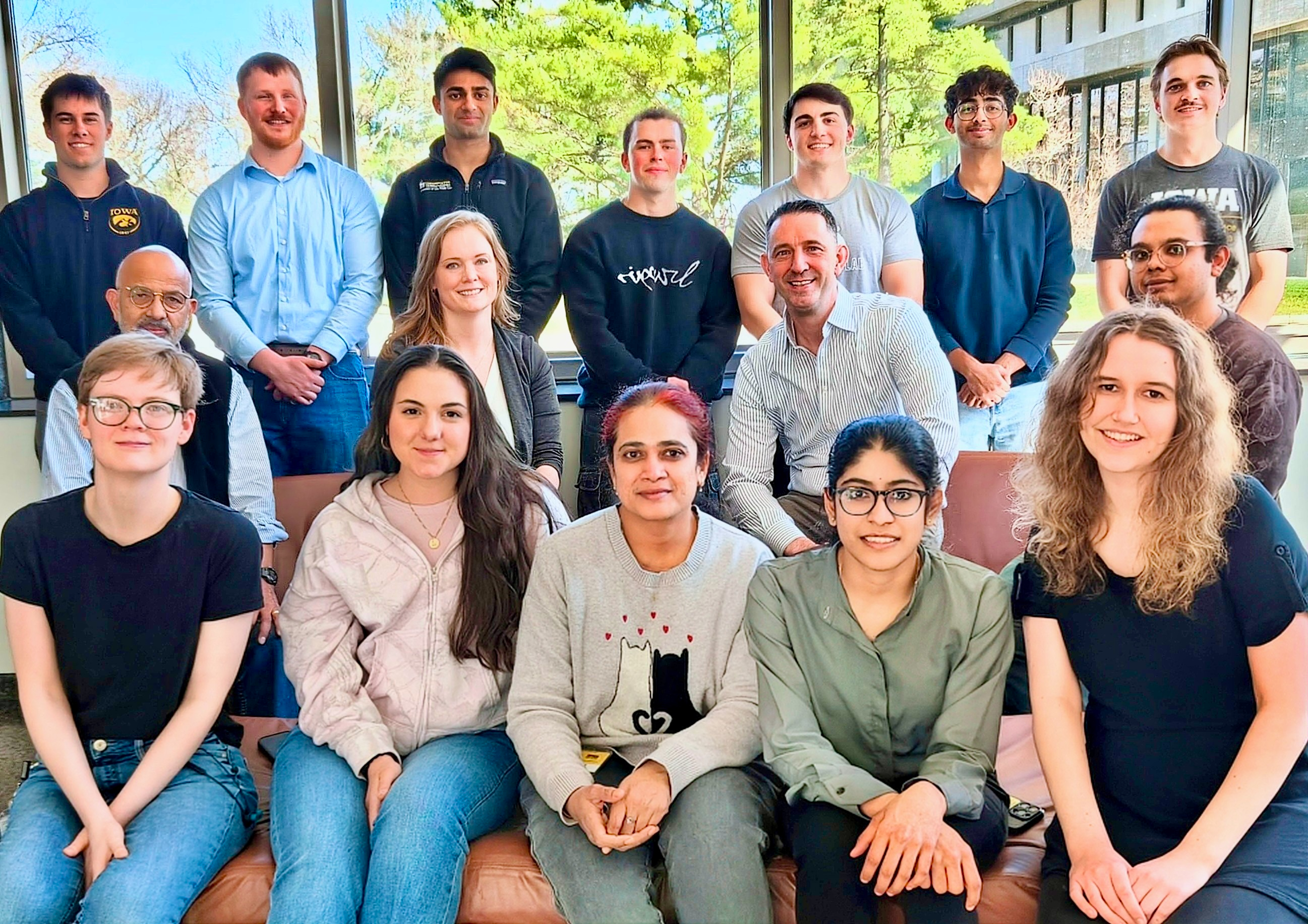
The Streeter Lab aims to redefine cardiovascular translational science by building human-centered experimental platforms that preserve the complexity of living heart and vascular tissue, reveal mechanisms of disease and repair, and accelerate the development of diagnostics and therapies for patients.
Streeter Lab Mission Statement
The Streeter Lab is built around the premise that cardiovascular discovery should begin as close to the human condition as possible. Many transformative therapies fail because disease mechanisms identified in simplified models do not fully capture the complexity of human cardiovascular biology. Our work addresses this translational gap by developing and using living human heart and vascular tissue platforms that preserve native architecture, multicellular interactions, extracellular matrix, disease history, and patient-level heterogeneity. Rather than treating human tissue as a final validation step, we use it as a discovery engine. This allows us to investigate how diseased human tissues behave, how they respond to therapy, and how new technologies perform in a biologically relevant human context.
The Streeter Lab is organized around three interrelated research directions.
- Our tissue platform work creates access to living human coronary arteries and cardiac tissue, allowing us to model cardiovascular disease while preserving native tissue structure, cellular interactions, and patient-level heterogeneity.
- Our disease biology work uses these platforms to define mechanisms of atherosclerosis, vascular injury, plaque regression, and repair by integrating spatial transcriptomics, molecular profiling, and live vascular imaging.
- Our technology development work focuses on targeted molecular tools, including aptamer-based imaging and therapeutic delivery systems, to convert human tissue discoveries into precision diagnostic and therapeutic strategies.
The long-term goal of our lab is to build a more direct path from mechanism to medicine. We aim to make human cardiovascular tissue not only a validation tool, but a discovery platform that can reveal actionable biology, accelerate the development of precision diagnostics and therapies, and ultimately improve care for patients with cardiovascular disease.
Our work is guided by the belief that impact comes not from doing more, but from doing the right work with clarity, rigor, and purpose. Cardiovascular disease is complex, and meaningful translation requires experimental systems that preserve that complexity while still allowing us to ask focused, testable questions. We aim to build a lab culture that values precision over volume, depth over diffusion, and patient-relevant discovery over incremental expansion. This philosophy shapes both what we study and how we work. We focus on projects where our human tissue platforms, vascular biology expertise, and molecular technologies can uniquely clarify mechanisms of disease or accelerate translation. In this way, the lab is designed not simply to generate data, but to create a more direct and disciplined path from human cardiovascular biology to better diagnostics and therapies.
Iowa Living Human Heart Research Program (ILHHRP)
The Streeter Lab founded ILHHRP, a unique University of Iowa initiative that provides researchers with access to living human cardiovascular tissue for translational research. By combining living human heart tissue with complementary experimental models, ILHHRP enables investigators to study disease mechanisms, validate discoveries, and accelerate the development of new therapies. The program supports researchers across multiple laboratories, fosters collaboration, and advances innovative cardiovascular science with direct clinical relevance.